The parts you keep matter too
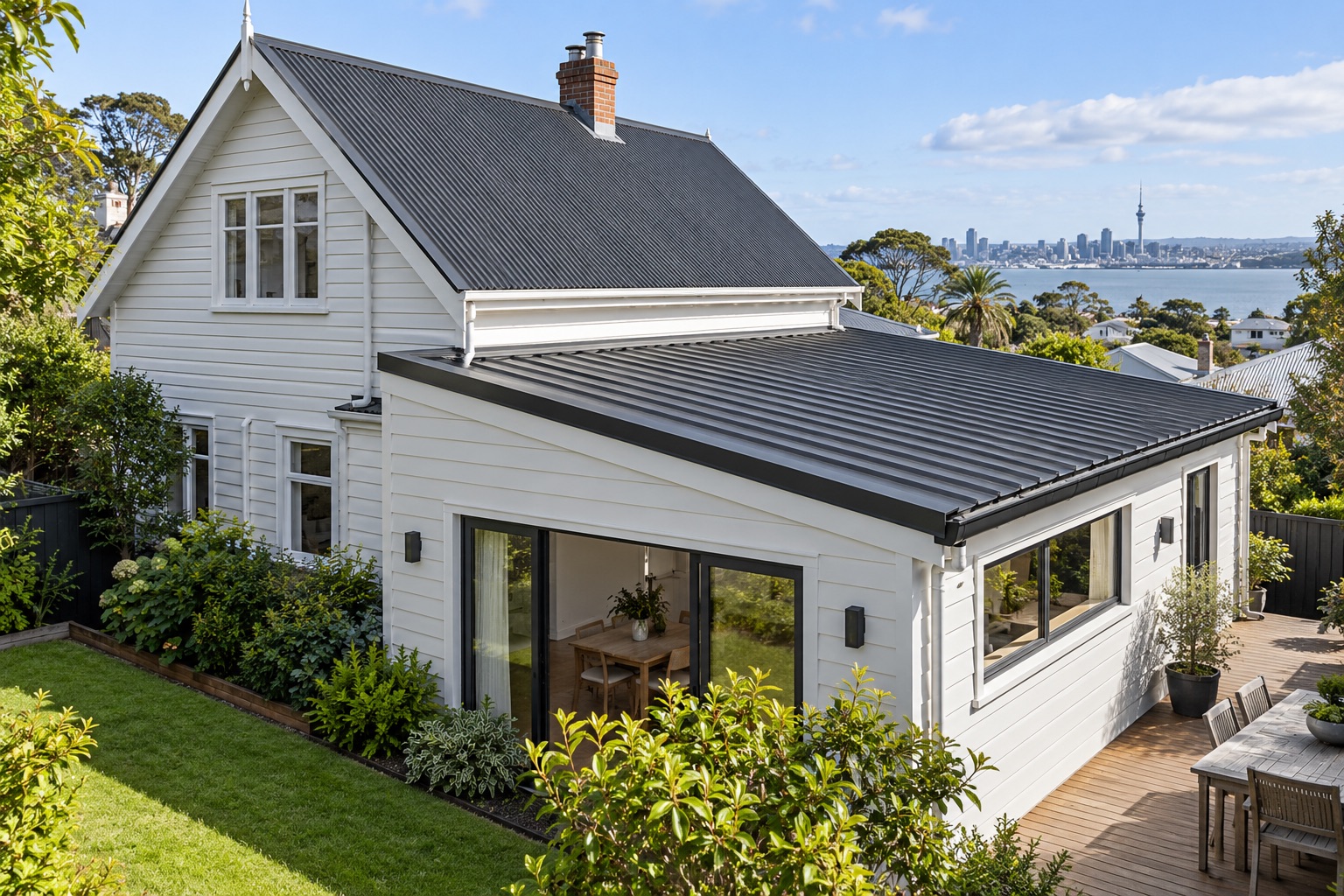
A re-roof quote may replace the sheets but leave a chimney flashing, an overflow pipe or part of the guttering in place. Keeping a serviceable component can sound sensible. Before agreeing, ask a second question: is its material suitable alongside the proposed roof?
Appearance will not settle that question. A painted surface does not tell you everything about the metal underneath. Start with a list of retained components and ask the roofing professional to identify anything whose material is uncertain. Our guide to flashing details in a quote explains how to make the scope clearer.
Check contact and water flow separately
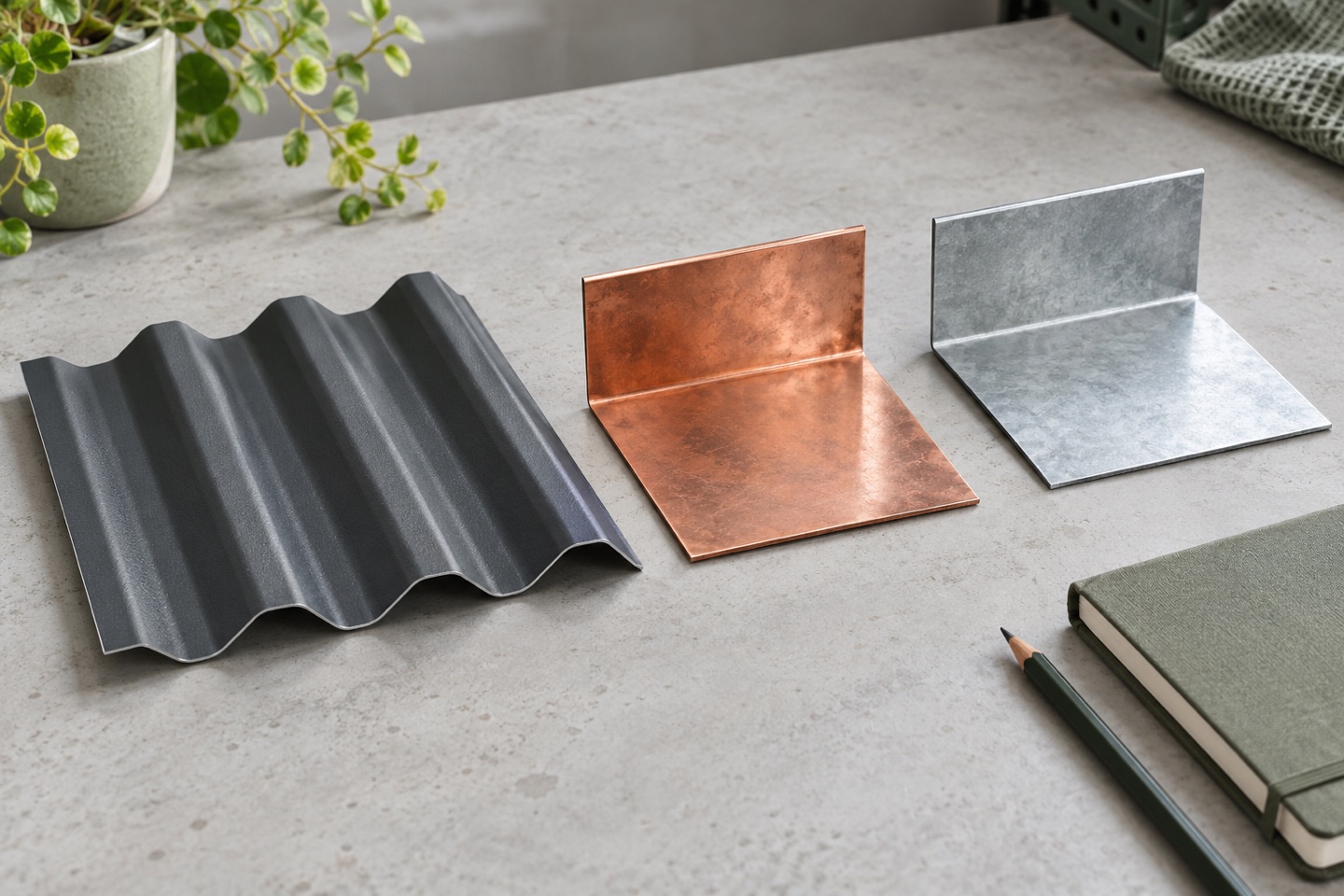
The NZ Metal Roofing Manufacturers' compatibility guidance distinguishes direct contact from water draining between materials. Incompatible combinations can create corrosion conditions even when the components do not touch. Its compatibility table is indicative, not a substitute for assessment of the particular materials and environment.
For the homeowner, the practical question is simple: what is above the new roof, and where does its runoff go? Ask the assessor to consider pipes, upper roof areas and retained fittings, as well as the junctions between new and existing work. Do not climb onto the roof to trace the route yourself.
Copper and lead deserve a specific question
ColorCote's MagnaFlow technical brochure warns against contact or water discharge from copper or brass pipes onto MagnaFlow and MagnaFlow Plus. It also prohibits lead flashings in contact with these products. Those are product-specific instructions, not a reason to assume every metal roof has identical requirements.
If you know the property has copper pipework or older lead flashing, mention it when requesting an assessment. If you do not know, say so. Ask the contractor to identify the proposed roofing product and check the applicable manufacturer's instructions before deciding what can stay.
For a COLORSTEEL specification, the manufacturer's trade downloads include an Incompatible Materials Bulletin. Ask which current guidance applies to the actual product being ordered, rather than accepting a generic assurance that all pre-painted steel is the same.
Put the decision into the scope
A useful written request is: "Please identify retained components that need compatibility checks and confirm any replacement or detailing work before materials are ordered."
Follow that with four questions:
- Which existing pipes, flashings and rainwater components are being retained?
- Which materials have been identified, and which still need checking?
- Does the proposal include any necessary changes, and who is responsible for them?
- How will newly discovered conditions be documented and priced after removal?
For example, if a pipe needs attention from another trade, agree who coordinates that work. If gutters are excluded from the quote, ask whether any interface issue remains unresolved. Our gutters and re-roof scope article can help with that conversation.
Do not improvise a barrier or coating
This is not a shopping list for tape, sealant or paint. Ask for the appropriate detail to be specified and recorded. Do not assume a quick coating over an unidentified component will make the combination suitable.
When contacting Full Tree about steel roof installation, send existing specifications if you have them, together with photographs taken from a safe location. Point out components you hope to retain. That lets the assessment address the whole arrangement rather than only the new sheets.
General planning information only, not a diagnosis, installation instruction or product approval. Suitability and any remedial detail require assessment of the actual building and the current instructions for the specified products.