For a trading business, the roof programme is also an operations programme. A delivery route, an occupied room or a scheduled shutdown can change how the job needs to be organised. Bring the people who run the premises into the discussion before dates are confirmed.
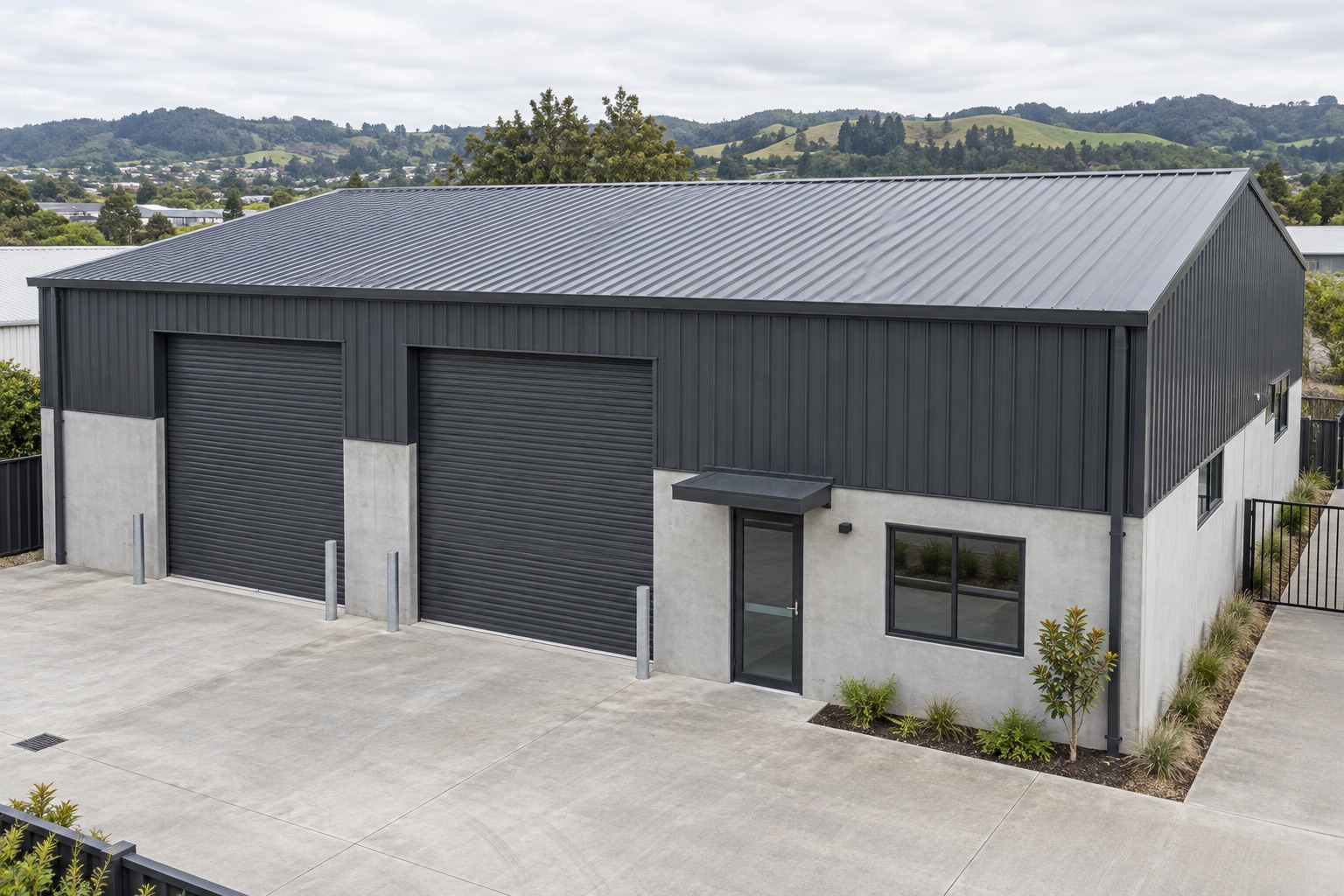
AI-generated illustration, not a Full Tree commercial project.
Map the activities below the roof
Explain where staff and visitors enter, where deliveries arrive and which spaces contain sensitive equipment or stock. Identify activities that cannot be interrupted without notice. Give the contractor a contact who understands daily operations, not only the person authorising the price.
Ask which areas the proposed work may affect and what needs a site-specific assessment. Do not assume that keeping the business open will be possible throughout every stage.
Agree the boundaries between the teams
Discuss access, separated work areas, roof-mounted equipment and communication with other trades. WorkSafe's working-at-height roof resources provide safety guidance for those planning the work. The contractor and business need arrangements suited to the actual premises, not a generic picture of a tidy site.
Where an interruption or temporary closure is proposed, ask what activity it covers, the expected duration and who confirms that normal use can resume. Keep the operational decision distinct from the construction task.
Build a communication routine
Agree how the next day's activities will be confirmed and who receives changes caused by weather or findings on site. A short written update helps staff understand which entrance or area is affected without relying on messages passed between shifts.
At completion, keep the roof documents and any outstanding actions with the building's maintenance records. Our commercial roofing service is a starting point for a scope discussion. For the final paperwork, see the completion folder guide.