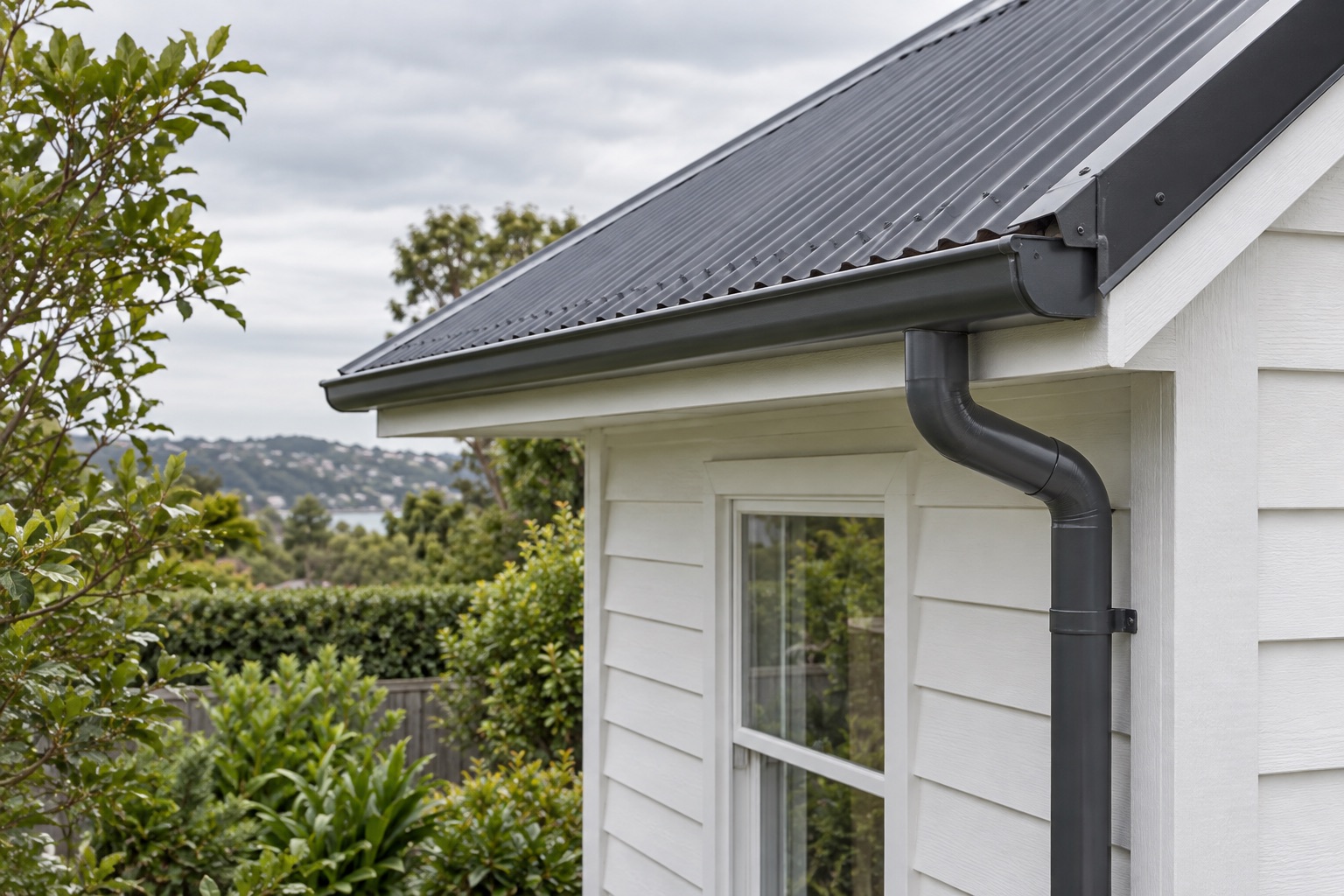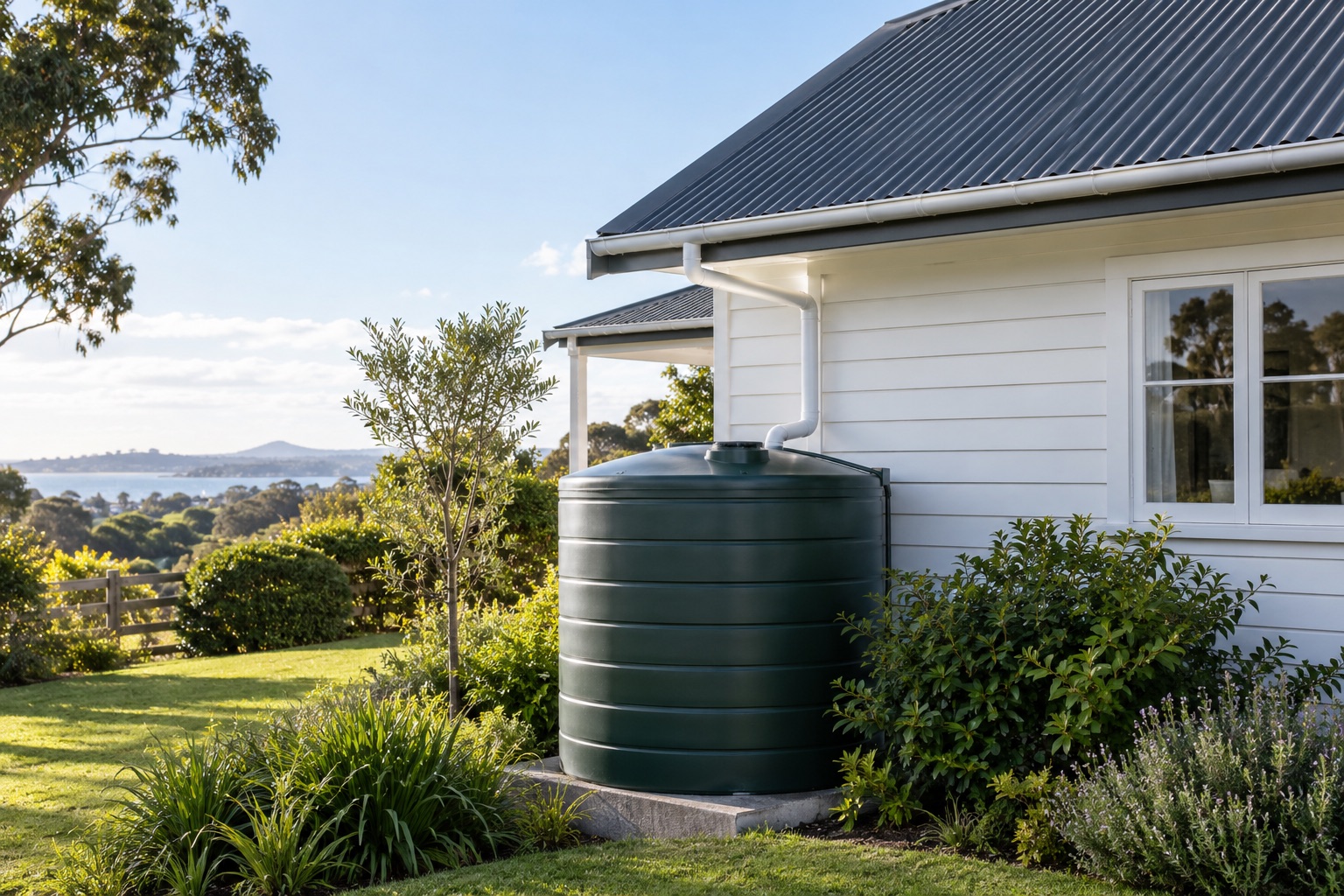
Tell the roofer what the tank supplies
“We have a tank” is a useful start, but it leaves an important question unanswered: what uses that water? A garden-only tank and a household drinking-water supply need different conversations. Tell the roofer whether the tank serves taps, toilets, laundry or irrigation, and whether another water source is available.
Do this before agreeing to the quote. Photograph the tank and accessible pipework from the ground, and share any existing system records. Do not climb onto the roof or enter a tank to investigate connections. If you do not know which roof areas feed the tank, ask for that to be established during planning.
Suitable roofing material does not mean safe water at the tap
ColorCote's potable-water technical bulletin reports that its product range meets AS/NZS 4020:2018 requirements and is suitable for drinking-water collection. It also warns that deposits such as foliage, dust and droppings can affect the collected water.
That distinction matters: the sheet's suitability is not a certificate for the whole collection, storage and treatment system. Taumata Arowai's source and treatment guidance explains that roof water picks up contaminants from the roof and collection plumbing and needs appropriate treatment and testing. Do not assume that clear-looking runoff is safe to drink.
Ask for the exact proposed roof product and confirmation of suitability for your intended water use. Include retained flashings, gutters and any proposed coatings or repair materials in the discussion. For COLORSTEEL projects, the manufacturer's current downloads include maintenance and overpainting guidance; ask the supplier which instructions apply to your specification, especially where existing surfaces will remain.
Write down the plan for water during the job
Do not leave collection arrangements to the first morning of roof removal. Ask the contractor and, where needed, your water-system specialist to agree:
- Which roof areas and downpipes feed the tank, including any shared connections.
- Who will isolate or divert collection during work and how that will be checked.
- How runoff from removal, cutting, cleaning or other treatments will be kept out of stored water.
- Whether the home can continue using its existing supply, or needs an alternative arrangement.
- Who will contact you if the weather or work programme changes that plan.
These are responsibilities to resolve for the property, not a DIY disconnection procedure. Have a suitable practitioner handle plumbing or treatment changes. An assumption that “the rain will wash it through” is not a documented plan for protecting a household water supply.
Separate roof completion from permission to reconnect
The last sheet being fitted does not, by itself, establish that the collection system is ready to use. Before work starts, ask who will authorise reconnection and what checks they will require. Have that person consider the work performed, products used and any relevant manufacturer instructions. Do not rely on a universal waiting period or a guessed amount of rainfall.
Ask how the roof and gutters will be checked for construction debris, and whether the water-system practitioner needs to assess storage, treatment or testing before normal use resumes. A roofing completion record should not be presented as a drinking-water test result.
Keep the handover small but specific
Keep the roof specification, relevant product instructions, a note of collection isolation and reconnection, and any separate water-system inspection or test records. Record outstanding actions and the person responsible for them.
Our guide to gutters in a re-roof scope helps separate retained components from new work. When discussing residential roofing with Full Tree, mention tank water in the initial enquiry so it can be included in the planning conversation. For organising the paperwork afterwards, see roof completion documents.